Memory Foam Topper Too Firm? Why It Happens and What Helps
Memory foam stiffens in the cold and softens as it warms, so a hard new topper is often behaving normally; here is how to tell a cold topper from one that is simply the wrong firmness.
Research-based: public sources and consumer feedback, not hands-on testing. How we review
In this article
Quick Verdict
Bottom line: Give a cold or new memory foam topper warmth and a few weeks before judging it. If it is still too firm at ordinary room temperature after that, the firmness is the mismatch and a return is the remedy.
- Main concern
- Your bedroom stays cold, or you are a lighter sleeper on a firm, dense foam
Research-based: public sources and consumer feedback, not hands-on testing. How we review
Quick answer
Memory foam is temperature-sensitive: it stiffens when it is cold and softens as it warms. A topper that feels like a board in a chilly bedroom is usually behaving normally, and will give once the room and your body heat warm it. If it is still too firm after a few weeks at ordinary room temperature, the cause is more likely the foam’s firmness or density than the cold.
A new memory foam topper that feels hard is a surprise if you bought it to soften the bed. There are three separate reasons it can happen, and they call for different responses: the room is cold, the foam is new and has not settled, or the topper is simply firmer than suits you. This guide explains how to tell them apart. It draws on a foam mattress maker’s own support pages and on independent bedding guides; we have not tested any topper ourselves.
If you are still choosing, our mattress topper buying guide covers firmness and density before you buy.
Key takeaways
- Memory foam softens with heat and stiffens in the cold, which is how it is designed to work
- Tempur-Pedic says its foam can become very firm, or even freeze, in cold conditions and performs best at about 65 to 75 degrees Fahrenheit
- A cold topper needs a few hours in a warm room to recover
- New foam can also feel firmer than expected at first; one maker says softening typically takes about 30 days
- If it is still too firm after that, the firmness itself is the mismatch, and a return is the remedy
Why cold makes memory foam hard
Memory foam is a viscoelastic material. The Sleep Foundation explains that it softens in response to heat, which is what lets it mold around you, and that the same property means it can become stiffer in a cold room. Tempur-Pedic, whose mattresses are made of this kind of foam, puts it more bluntly on its support pages: the material can become very firm, or even freeze, in cold temperatures, and can feel very soft in high ones.
So the hard feel on a winter night is not a fault. The part of the topper under your body will soften as it warms; the part you have not been lying on stays firm, which may make the bed feel uneven when you roll over.
Three Reasons a Topper Feels Too Firm
The first two usually resolve themselves. The third does not. The sources are a manufacturer's support pages and independent bedding guides, mostly written about mattresses made of the same foam.
The room is cold
Tempur-Pedic says its foam should be warmed to 65 to 75 degrees Fahrenheit for best performance, and that a cold product takes a few hours to recover, depending on the room temperature and its size. A topper is thinner than a mattress, so it should not take longer, though the company gives no separate figure for toppers.
Source: Tempur-Pedic Help: My mattress is frozen, what can I do?
The foam is new
New foam can feel firmer than you expected. Tempur-Pedic says a new mattress typically takes about 30 days to soften, and suggests keeping the room warm and spending time on the bed. Foam that arrived compressed also needs time to expand fully before you judge it.
It is firmer than suits you
Firmness and density vary a great deal between toppers, and lighter sleepers sink into foam less than heavier ones. If the topper is at room temperature, has had several weeks of use and still feels hard, no amount of waiting will change it.
How to tell which it is
- Check the room temperature. If the bedroom is well below the mid-60s Fahrenheit, warm it for an evening and try again before drawing any conclusion.
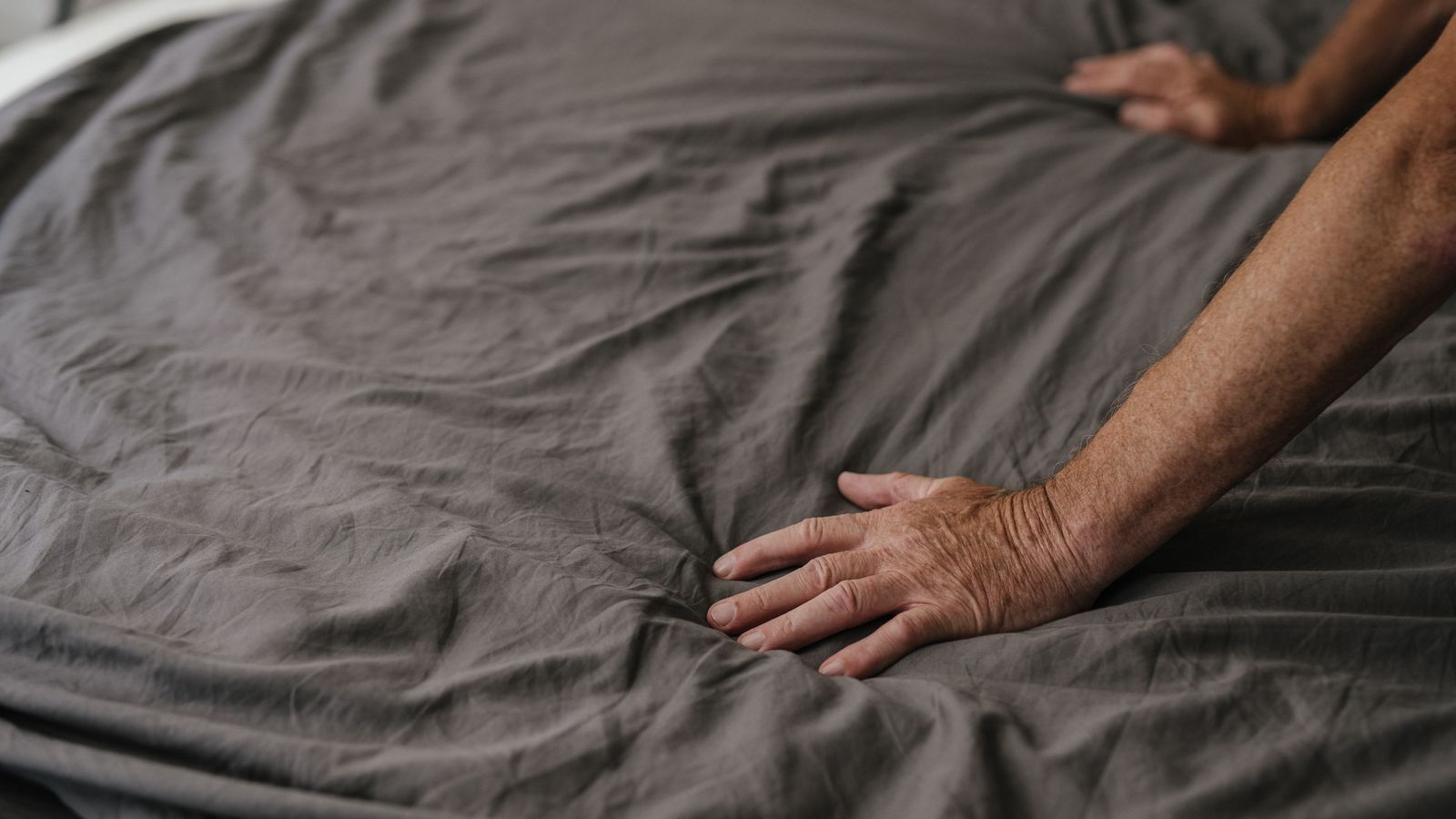
- Press your hand flat on the foam for half a minute. If it softens under your palm and holds the print, the foam is responding to heat as it should and cold is the likely culprit. This is our own simple check, not a laboratory test.
- Count the nights. A topper you have had for less than a month may still be settling.
- Compare with the listing. If the description says firm, medium-firm or high-density, it may be doing exactly what it was sold to do.
What helps
- Warm the room before bed. Tempur-Pedic’s own suggestion for a too-firm new mattress is to turn up the heating in the bedroom for a few nights or longer.
- Give it time. Sleep on it for a few weeks before deciding, but keep the return deadline in view.
- Consider a heated mattress pad. The Sleep Foundation suggests one as a way to soften the top layers of a foam bed that is slightly too firm. Check the topper’s care instructions first for any restriction on heated bedding.
- Do not force cold foam. Tempur-Pedic warns against forcing foam flat if it has been stored cold and folded, because it can crack. Let a topper that has been in a cold garage or delivery van come up to room temperature before you unroll it fully.
There is a trade-off to be aware of. The warmth that softens memory foam is the same warmth that makes it sleep hot. If you warm the room to soften the topper and then find yourself too hot at night, see why a mattress topper sleeps hot.
Who Can Expect It to Soften
- Sleepers in a bedroom that is cold at night
- Owners of a topper that is less than a month old
- Anyone whose topper softens noticeably under a warm hand
Who Is Better Off Returning It
- Lighter sleepers who do not sink into a firm, dense foam
- Anyone whose topper is still hard after several weeks at room temperature
- People who keep the bedroom cold all year and do not want to change that
If cold is the permanent problem
Some people like a cold bedroom, and some homes are simply cold. In that case a material that does not change with temperature may suit you better. Latex is not described as temperature-sensitive in the way memory foam is; our comparison of latex and memory foam toppers sets out how the two differ. And if you are inside the return window, use it. Topper return terms are often stricter than you would expect, so check them today.
How we researched this
This article is based on Tempur-Pedic’s published support guidance for its temperature-sensitive foam and on the Sleep Foundation’s guides to memory foam and to softening a mattress. Most of that guidance is written about mattresses; we have applied it to toppers made of the same material and said where a figure is not topper-specific. We did not test any topper or measure firmness.
Frequently Asked Questions
Why is my memory foam topper hard?
Most often because it is cold. Memory foam stiffens at low temperatures and softens as it warms. New foam can also feel firm for the first few weeks, and some toppers are simply firmer or denser than others.
Does memory foam get softer over time?
Usually, a little. Tempur-Pedic says a new mattress of its foam typically takes about 30 days to soften. A topper that is still too firm after that is unlikely to change much more.
What temperature does memory foam need?
Tempur-Pedic says its foam performs best when warmed to between 65 and 75 degrees Fahrenheit, about 18 to 24 Celsius.
Can I use an electric blanket to soften a memory foam topper?
The Sleep Foundation suggests a heated mattress pad as one way to soften a firm foam bed. Check your topper’s care instructions first, because manufacturers differ on whether heated bedding is allowed.
Is a firm topper a defect?
Not if it softens with warmth or matches the firmness described in the listing. Cold stiffness is how the material behaves. A topper that stays hard at room temperature after weeks of use is a poor match, which is a matter for the return policy, not the warranty.
Sources & Evidence
Where the facts in this article come from. Summaries are in our own words; follow the links to check them yourself.
- Tempur-Pedic Help: My Tempur-Pedic mattress is frozen, what can I do?
- Tempur-Pedic Help: My new mattress is too firm. How can I soften it up?
- Sleep Foundation: How to Make a Mattress Softer
- Sleep Foundation: How to Make a Memory Foam Mattress Sleep Cooler
- Sleep Foundation: What Is Memory Foam?
- Tom's Guide: How long it takes for a new mattress to soften
More on: Mattresses & Bedding