Is It Safe to Leave a Charger Plugged In? What the Guidance Says
No fire-safety body we found treats an idle, undamaged charger as a significant hazard, but faulty chargers and devices left charging unattended are a different matter; this guide separates the three cases.
Research-based: public sources and consumer feedback, not hands-on testing. How we review
In this article
Quick answer
We found no fire-safety authority that treats an undamaged charger from a reputable maker, plugged in with nothing attached, as a significant hazard. The documented risks are different ones: faulty or counterfeit chargers, and devices left charging unattended, overnight or on soft furnishings. Unplugging is still the advice fire agencies give for small electrical items generally, and it costs nothing. No source we read offers a list of chargers that are safe to leave in.
This question gets confident answers in both directions online. This guide does something narrower: it sets out what fire-safety and energy bodies have actually published, separates the three situations people mean when they ask, and says plainly where the guidance stops. We did not test any charger.
Key takeaways
- An idle charger, a device left charging, and a faulty charger are three different risks
- US fire agencies advise unplugging small appliances when not in use
- The UK charity Electrical Safety First advises unplugging a device once it is charged, and not charging overnight or while you are out
- The CPSC has warned about specific chargers that overheated while plugged into a wall outlet
- An idle charger also draws a small amount of standby power
Three situations, three answers
| Situation | What the published guidance says |
|---|---|
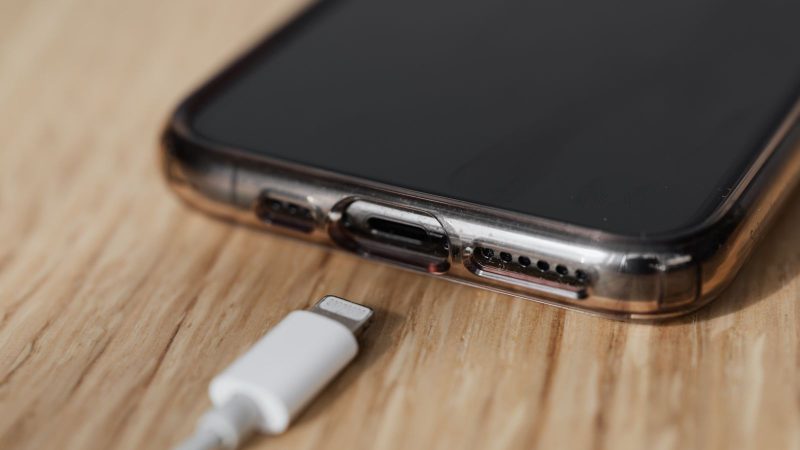
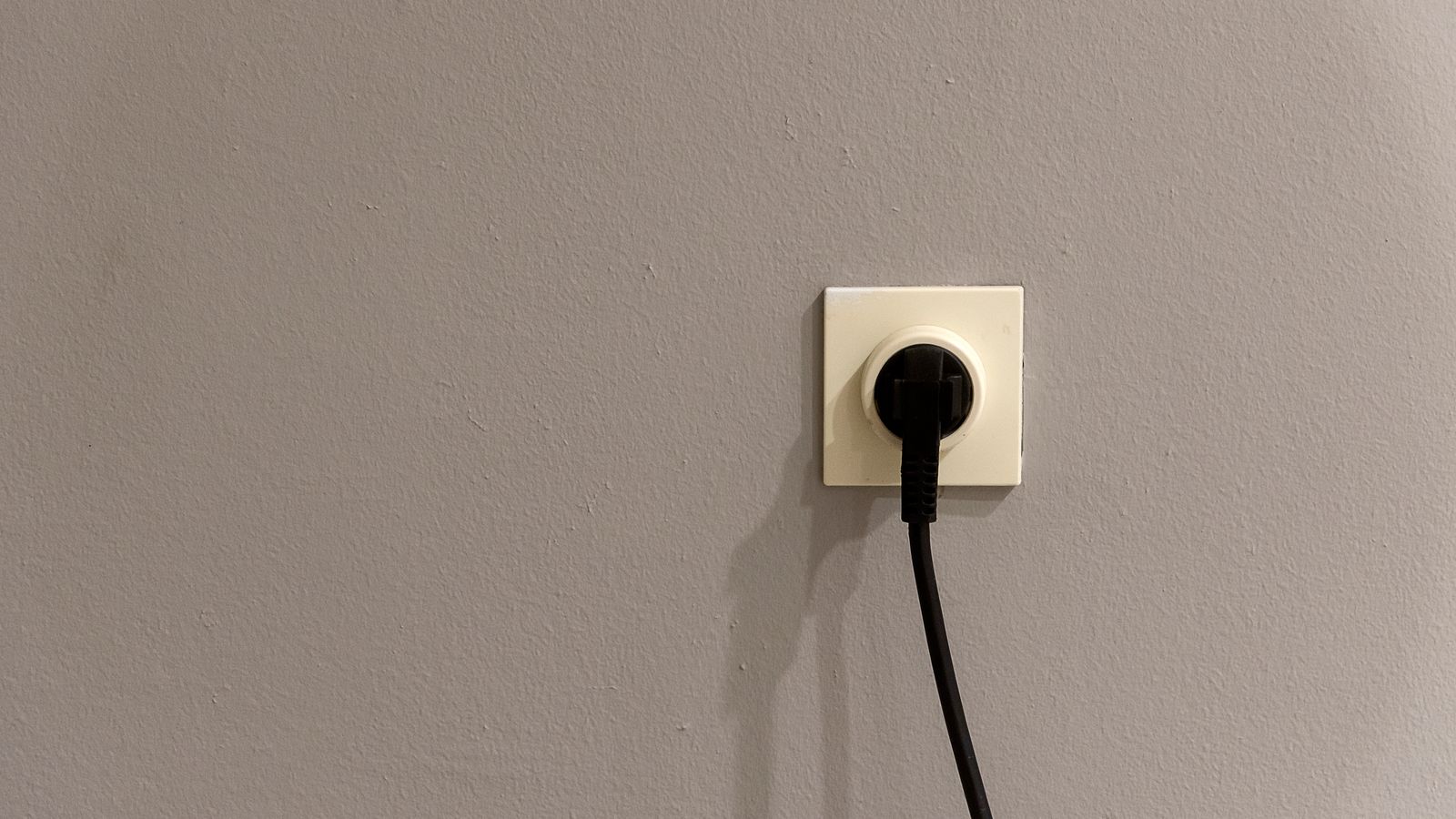
| A charger left in the outlet with nothing connected | We found no guidance that singles this out as dangerous. The US Fire Administration’s general advice is to unplug small appliances when not in use. Energy bodies list idle chargers as a source of standby power and suggest unplugging them for that reason. |
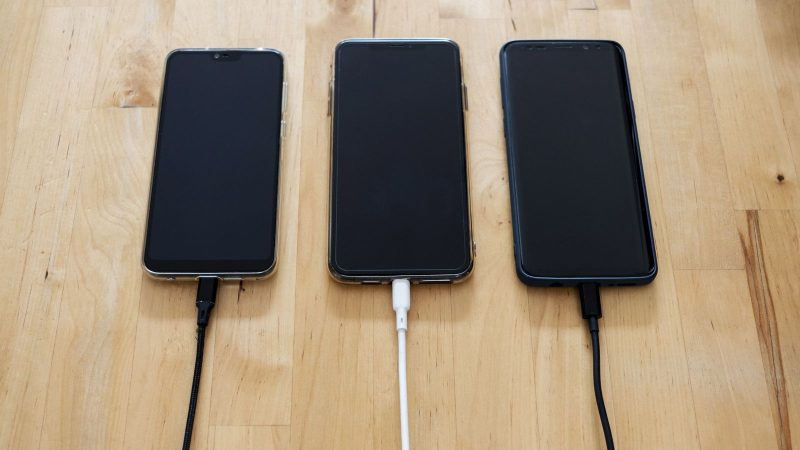
| A phone, laptop or other device left charging | Electrical Safety First says to unplug a device after charging, not to leave it on prolonged charge, and not to charge overnight or while you are out of the house. The National Fire Protection Association says not to charge under a pillow, on a bed or on a couch, and not to keep charging once the battery is full. |
| A charger that is damaged, counterfeit or the wrong one for the device | This is where the documented incidents are. Stop using it. |
Where the real incidents are
What Has Actually Gone Wrong
These are official notices and guidance about chargers themselves. The figures are from the sources.
A charger that overheated in the outlet
The CPSC warned consumers to stop using Garberiel lithium-ion battery chargers, saying they can overheat while plugged into a wall outlet and cause fires. It cited six reported incidents since 2019, including one fire in which a person died. It was a warning, not a recall.
Source: CPSC warning, 2025
Substandard and counterfeit chargers
Electrical Safety First warns that substandard or counterfeit chargers may present a higher risk of exploding or catching fire, and advises buying from a reputable retailer instead of a third-party online seller.
Chargers that do not match the battery
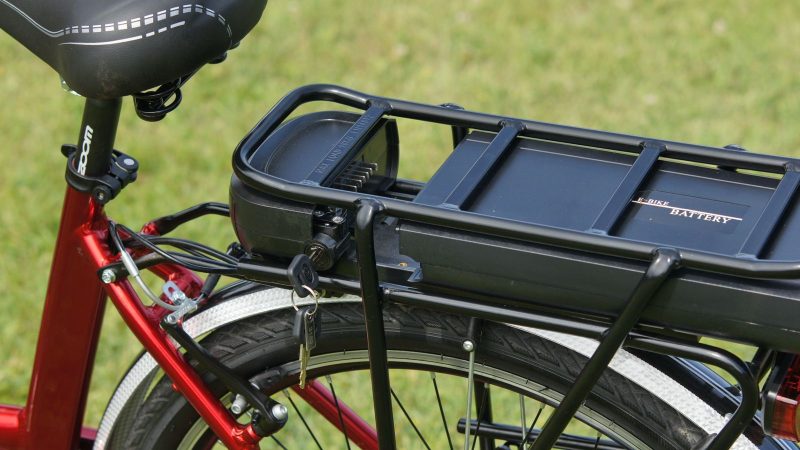
For e-bikes and scooters, the CPSC has urged people not to buy or use so-called universal chargers, because an incompatible charger can cause the battery to ignite.
Source: CPSC news release, 2024
Chargers with a battery inside
Magnetic battery packs, wireless stands with a built-in cell and all-in-one plugs carry the risks of a power bank, and several have been recalled. Leaving one of these plugged in is not the same as leaving a simple wall plug in.
None of these tells you how likely a problem is. We found no published figure for fires started by idle chargers, and we are not going to supply one.
The case for unplugging anyway
- It is the standing fire-safety advice. The US Fire Administration’s guidance on appliances is to unplug small ones when you are not using them.
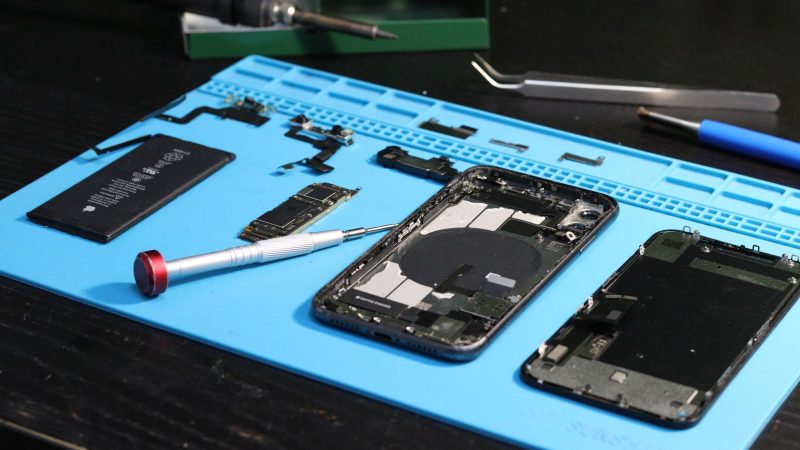
- You cannot inspect the inside of a charger. A fault in the circuitry is not something an owner can check for in advance.
- Standby power. Lawrence Berkeley National Laboratory, a Department of Energy laboratory, lists empty battery chargers among the things worth unplugging, and a federal office-energy checklist names phone chargers. The saving from one charger is small; the laboratory’s point is that standby loads add up across a home.
Against that, the laboratory also notes a practical caution: do not keep plugging and unplugging something with a worn cord. A power strip with a switch is another way to cut the power; that suggestion is ours.
If you leave chargers plugged in
Many people will, particularly for chargers behind furniture. These points come from Electrical Safety First and the fire agencies.
- Use the charger that came with the device, or one from the device maker or another reputable brand.
- Keep chargers uncovered and ventilated, away from heat, direct sunlight and liquids.
- Check them from time to time for burn marks, a buzzing or crackling sound, or a body that is too hot to touch. Check the outlet as well.
- Unplug at once if you notice a smell, sparking, smoke, swelling, cracks or other damage, and do not try to repair it.
- Plug straight into the wall where you can, and do not overload a outlet or strip.
- Have working smoke alarms.
Bigger batteries are a separate matter
Everything above is about phone-sized chargers. For e-bikes, scooters and other large batteries, the CPSC’s advice is firmer: be present while they charge, do not charge them while you are asleep, use only the manufacturer’s charger, and disconnect when charging is complete. Our summary of e-bike and scooter battery recalls covers this, and the lithium battery safety guide sets out charging, storage and disposal for every kind of battery product.
Which chargers are safe to leave plugged in?
We looked for an official list and did not find one. No agency we read certifies a charger as safe to leave in the wall indefinitely, and a certification mark tells you a product was tested against a safety standard, not that it can be forgotten about. What you can do is reduce the odds: buy from a reputable seller, look for a recognized testing laboratory’s mark on the charger itself, and check the model against recall notices. Our guide to checking for recalls shows how, and how to spot a failing battery covers the device on the other end of the cable.
How we researched this
We read the US Fire Administration’s and National Fire Protection Association’s published safety advice, the UK charity Electrical Safety First’s guidance on USB chargers, CPSC warnings and news releases about chargers, and Lawrence Berkeley National Laboratory’s pages on standby power. Electrical Safety First writes for UK homes, where plugs and outlets differ, so we have used only its general advice. We did not test any charger, and we found no statistics on idle chargers specifically.
Frequently Asked Questions
Is it a fire risk to leave a phone charger plugged in?
We found no fire-safety authority that singles out an undamaged, reputable charger with nothing attached as a significant risk. The documented problems involve faulty or counterfeit chargers and devices left charging unattended. Unplugging removes the question.
Should I unplug my charger when I am not using it?
The US Fire Administration advises unplugging small appliances when not in use, and energy bodies suggest unplugging idle chargers to cut standby power. It is a low-cost precaution.
Can I leave my phone charging overnight?
Electrical Safety First advises against charging overnight or while you are out. The NFPA says not to charge on a bed, under a pillow or on a couch, and not to keep charging once the battery is full.
Does a plugged-in charger use electricity?
Yes, a small amount. Lawrence Berkeley National Laboratory counts idle chargers as standby power and includes them in its list of things you can unplug.
How do I know if a charger is unsafe?
Warning signs are burn marks, a buzzing or crackling sound, a body too hot to touch, a smell, sparks or visible damage. Stop using it, and check the model for a recall.
Sources & Evidence
Where the facts in this article come from. Summaries are in our own words; follow the links to check them yourself.
- US Fire Administration: Appliance and electrical fire safety
- NFPA: Lithium-Ion Battery Safety tip sheet
- Electrical Safety First (UK): USB chargers
- CPSC warning: Garberiel lithium-ion battery chargers (2025)
- CPSC: Urges consumers not to buy or use universal chargers with micromobility products (2024)
- Lawrence Berkeley National Laboratory: What Can I Unplug Now?
- Lawrence Berkeley National Laboratory: Reducing Standby Power
- US Department of Energy, Federal Energy Management Program: Office Energy Checklist
More on: Electronics Product Safety & Recalls