How to Read Negative Reviews: What One-Star Ratings Really Tell You
Bad reviews are the most useful ones, if you know how to read them. A ten-minute method for separating real product flaws from noise.
Research-based: owner feedback and public sources. How we review

In this article
Most shoppers glance at the star average and move on. The average is the least informative thing on the page. The detail that helps you decide is buried in the one-, two- and three-star reviews: how the product fails, how soon, and what the company does about it. Here is a ten-minute way to read them properly.
Key takeaways
- Ignore the average and read the middle of the range first
- A fault described by many unrelated buyers is a pattern, and one angry review is not
- Separate product problems from delivery and seller problems
- Check that the reviews are recent and are about the version you are buying
- A negative review only matters if the flaw matters to you
Why the negative reviews are worth your time
People who are furious or delighted are more likely to leave a review than people who are merely satisfied, so a product page over-represents the extremes. That makes the star average a blunt tool. It also means the critical reviews are not a measure of how many units fail. What they do give you is a list of the ways a product can go wrong, written by people who paid for it.
Step 1: Start with the three-star reviews
Three-star reviewers tend to be the most balanced. They usually liked something and disliked something, and they say which. Read five or six of these before anything else and you will already know the product’s main trade-off.
Step 2: Sort by most recent
Products change. A manufacturer can switch factory, material or firmware without changing the name. If the complaints cluster in the last few months, something may have changed for the worse. If they are all two years old and recent buyers are happy, the problem may have been fixed. The Federal Trade Commission also advises checking how recent reviews are and watching for a sudden burst over a short period, which can be a sign that reviews are not genuine.
Step 3: Look for the same fault in different words
One buyer whose unit arrived broken tells you very little. Ten buyers who each describe, in their own words, a handle that snapped within three months are telling you about the design. Count themes, not stars. When we research a product we note each distinct complaint and how many unrelated reviewers raise it, and you can do the same on the back of an envelope.
Step 4: Separate the product from the delivery
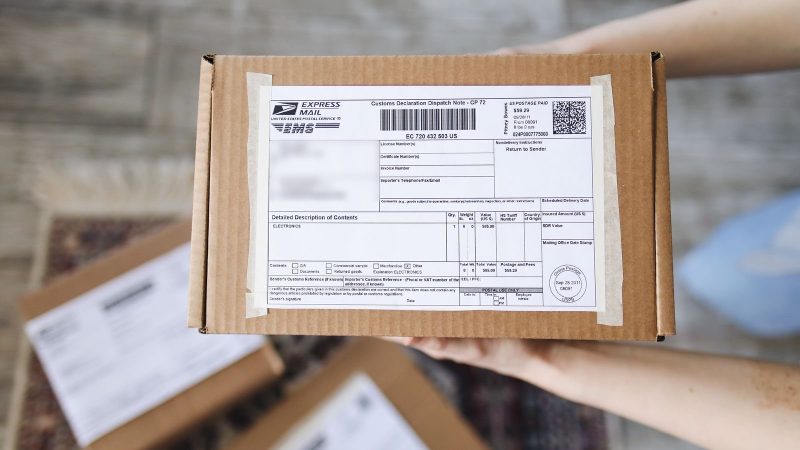
A surprising share of one-star reviews are about a late parcel, a crushed box or a third-party seller who sent the wrong item. Those are real problems, but they are about the seller or courier, and they may not apply to you. Set them aside and see what is left.
Step 5: Check the reviews are for the product you are buying
On large marketplaces, reviews for different versions, sizes or even different products can end up pooled on one listing. In 2023 the FTC brought its first case over what it called “review hijacking”, alleging that a supplement company had merged new products with established listings so that they borrowed the older products’ ratings and reviews. The company agreed to pay $600,000. When you read a review, check that it describes the same model, size and version that is in your basket.
Step 6: See how the company responds
Look at whether the seller replies to critical reviews, and how. A specific answer, a replacement offered, or a design change announced are all good signs. Silence, or a copied-and-pasted apology under every complaint, tells you what to expect if your own unit fails.
Step 7: Decide whether the flaw matters to you
A blender that is “far too loud” is a deal-breaker in a flat with a sleeping baby and irrelevant in a garage workshop. Once you know the two or three recurring complaints, the only question left is whether you can live with them. Often you can, and you have just saved yourself the cost of a pricier model you did not need.
A two-minute version
Search the reviews for the words “broke”, “stopped”, “returned” and “after”. Those four words surface most durability complaints quickly, along with how long the product lasted.
What negative reviews cannot tell you
They cannot tell you the failure rate, because you do not know how many units were sold. They are also not all genuine: the FTC notes that fake negative reviews are sometimes posted to harm a competitor, and that it can be nearly impossible to tell for certain whether a single review is real. That is why patterns across many reviewers, and across more than one website, matter more than any one story. Our guide to spotting fake reviews covers the warning signs.
Frequently Asked Questions
Are negative reviews more reliable than positive ones?
Not automatically. Both can be faked. But negative reviews tend to contain more specific, checkable detail about what went wrong, which makes patterns easier to spot.
How many bad reviews are too many?
There is no fixed number. What matters is whether the same serious fault keeps appearing, and whether it is one you can live with. A product with a few scattered, unrelated complaints is in a different position from one where a third of the critical reviews describe the same failure.
Should I avoid a product with no negative reviews at all?
Be cautious. Almost every real product disappoints someone. A page of uniformly perfect ratings, especially if they all arrived at once, deserves a closer look before you buy.
Sources
More on: Online Shopping